
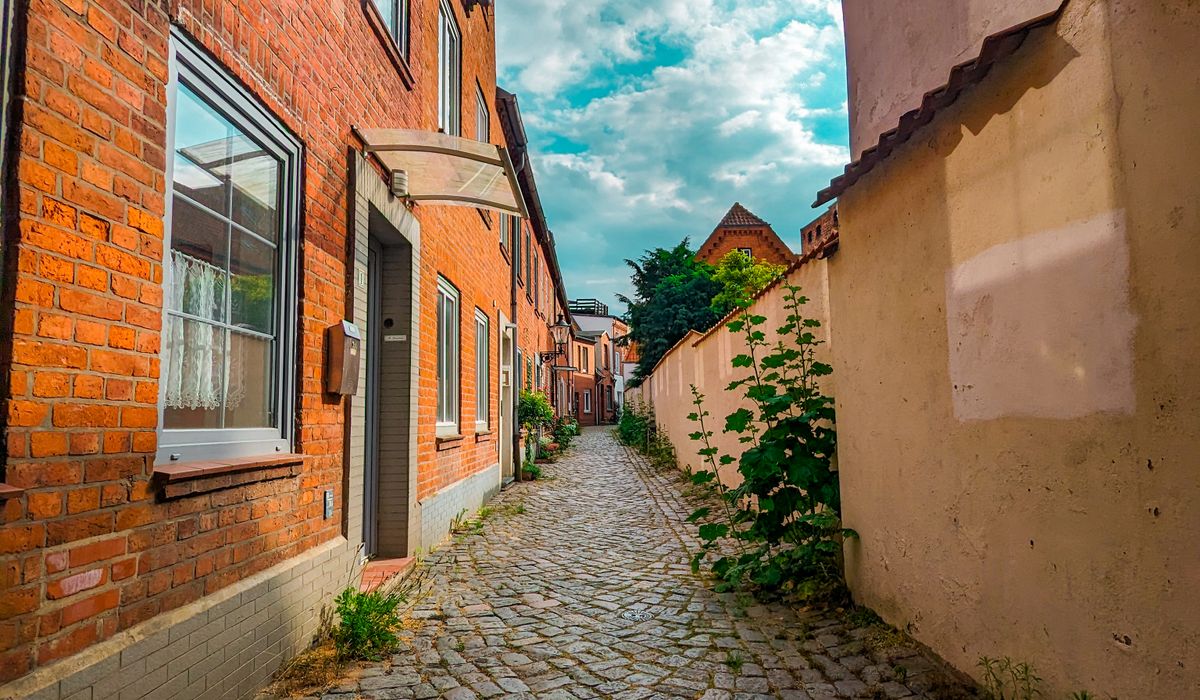
Creating Privacy in an Overlooked Mews Garden
Why Mews Gardens Feel Overlooked
Mews houses are among the most appealing urban homes in Britain. Converted from former stable blocks, they offer a village-like intimacy in the middle of a city. That intimacy comes with a catch: mews gardens are often small, enclosed on three sides, and overlooked by neighbouring windows, first-floor flats, and the mews itself. The temptation is to build the highest fence you can. But in a space this compact, solid boundaries can make a garden feel like a cell. The trick is to create privacy that still lets in light, air, and a sense of openness.
Pleached Trees: Height with a Light Touch
Pleaching is the quiet hero of the overlooked town garden. It involves training trees on a framework so their branches form a flat, leafy screen above head height. The result is a green wall that blocks sightlines from upstairs windows without stealing ground space. A clear stem of 1.8 to 2.2 metres is typical, with the pleached canopy sitting above that.
For British mews gardens, three choices stand out:
- Hornbeam – holds coppery leaves through winter, making it superb for year-round screening.
- Lime – traditional, tolerant of hard clipping, and long-lived.
- Photinia 'Red Robin' – evergreen foliage with vivid red new growth.
Plant bare-root or root-balled specimens from November to March, spacing them according to the frame width—usually around 1.2 to 1.5 metres apart. Water them thoroughly for the first two summers, and trim the canopy in late summer to keep the lines crisp.
Trellis Screens and Fencing That Breathe
Trellis is the most versatile privacy tool in a small garden. A panel of 1.8 metres is often permitted development, though you should always check local rules, especially in conservation areas where mews houses frequently sit. Choose a timber or powder-coated metal trellis with an open lattice. The gaps let light filter through, so the boundary reads as a screen rather than a wall.
Clothe the trellis with climbers that earn their keep. Trachelospermum jasminoides is evergreen, scented, and neat. Star jasmine, as it is commonly known, thrives in a sheltered mews courtyard. Summer jasmine is looser and more romantic. Clematis armandii gives you early spring flowers and glossy leaves. Plant in generous pockets of improved soil at the base, and tie in shoots as they grow. Within two or three seasons, the trellis disappears beneath green.
Tall Planters for Instant Screening
Where you cannot dig, or where you want privacy you can move, tall planters are the answer. Look for containers at least 60 centimetres tall and 50 centimetres wide. A row of them along a boundary creates a rhythm that feels deliberate rather than defensive. Fill them with Fargesia bamboo, which is clump-forming and well-behaved, or with phormium for architectural foliage. Small pleached trees can also live in planters, though they need diligent watering.
Choose frost-proof, lightweight containers where possible. Raise them on feet for drainage, and use a soil-based compost mixed with grit. Group planters in odd numbers, and vary heights slightly to avoid a clinical line. Because they are portable, you can rearrange them as the garden evolves or as neighbouring windows change.
Layering and Light: The Art of Not Feeling Closed In
Privacy is not about blocking every view. It is about controlling what you see and what sees you. Layer your planting: low herbaceous perennials at the front, mid-height shrubs behind, and taller screens at the back. Leave deliberate gaps at eye level so the garden feels connected to the wider world. A glimpse of a neighbouring roof or a passing cloud keeps a small space from feeling airless.
Use light to your advantage. Pale walls, gravel, and reflective foliage bounce brightness around a courtyard. Avoid dark, solid fences that absorb light. Instead, let trellis and pleached trees cast dappled shadows that add depth. Mirrors can work on a shaded wall, but use them sparingly and frame them as features rather than tricks.
Practicalities and Year-Round Interest
Good privacy planting needs a little maintenance. Water new trees and climbers regularly for the first two years. Feed planters monthly during the growing season. Trim pleached canopies and trellis climbers once a year to keep them within bounds. Check boundary heights and planting distances before you begin, and talk to neighbours about your plans—mews living is close living, and a friendly word prevents most disputes.
Finally, build in winter interest. Evergreen climbers, hornbeam leaves, and architectural planters mean the garden stays private and handsome even in January. With a thoughtful mix of pleached trees, trellis, and tall planters, your mews garden can feel secluded, light, and generous—all at once.
tag: Gardens

James Ashworth Author
Mews houses often sit in conservation areas, so check local rules before planning a rear or side extension.
YOU MAY ALSO LIKE
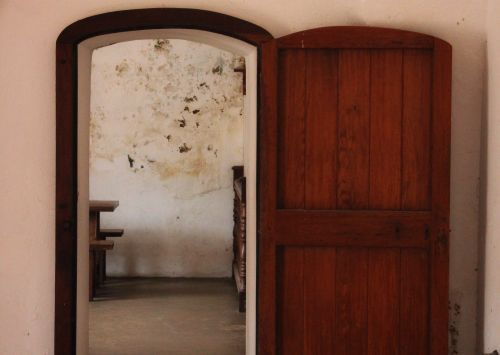
Understanding Planning Permission for Mews Extensions
Aug 18
10Listed building consent covers alterations that affect character, including windows, doors, and internal layouts in historic mews homes.
read more
How to Apply for Listed Building Consent
Aug 16
10When building near a neighbour in a mews terrace, a party wall agreement protects both sides and keeps work legally compliant.
read moreInteriors
-

ERRIC CATONA
Originally built as stables and coach houses, London mews have evolved into some of the city's most desirable homes.
May 19, 2016 at 5.12 pm
Reply
ERRIC CATONA
Stable doors, cobbles, and timber beams add character, so repair rather than replace original features wherever possible.
May 19, 2016 at 5.12 pm
Reply -
ERRIC CATONA
Victorian mews architecture features brickwork, arched openings, and modest proportions that reflect their working origins.
May 19, 2016 at 5.12 pm
Reply
Renovation
Your email address will not be published.