
Preserving Original Features in Mews Conversions
Why Original Features Matter in a Mews House
Mews houses occupy a curious place in British architecture. Built as stabling and accommodation for the servants of grand terraces, they were never meant to be admired. Yet that very utility has given them a character that purpose-built homes rarely match: tight proportions, robust materials, and a pleasing honesty about how they were made. When you buy a mews property, you are not just buying square footage, you are inheriting a small piece of working history.
That is why the question of original features matters so much. A stable door, a run of granite setts, a heavy timber beam blackened by a century of soot — these are not decorative extras. They are the fabric of the building, and once removed they are almost impossible to replace convincingly. The guiding principle for any conversion should be simple: repair rather than replace wherever the original survives.
Stable Doors and Timber Joinery
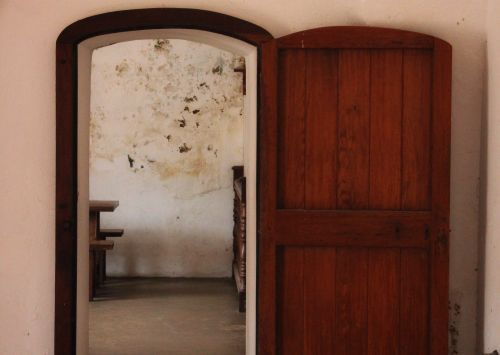
The split stable door is the signature of mews living. Its top half opens for air and conversation, its bottom half stays shut to keep in warmth or keep out a dog. Original examples are usually made from slow-grown softwood or oak, with mortise-and-tenon joints that modern doors rarely replicate.
Before you consider replacement, assess what is actually failing. Sagging is often a hinge problem, not a door problem — wrought-iron hinges can be re-pinned, and worn screw holes plugged with hardwood dowels and re-drilled. If the bottom rail has rotted, a joiner can scarf in a new section of matching timber, using a hidden glued joint that preserves the frame. Paint build-up is another common issue; a gentle chemical stripper and a scraper will reveal the original mouldings underneath.
- Keep original ironmongery where possible, including thumb latches, strap hinges and escutcheons.
- Repair rot with spliced sections rather than whole-frame replacement.
- Use linseed-oil paint on historic timber; it moves with the wood rather than cracking.
- Retain the door's slight irregularity — a perfectly square stable door looks like a reproduction.
Cobbles, Setts and External Surfaces
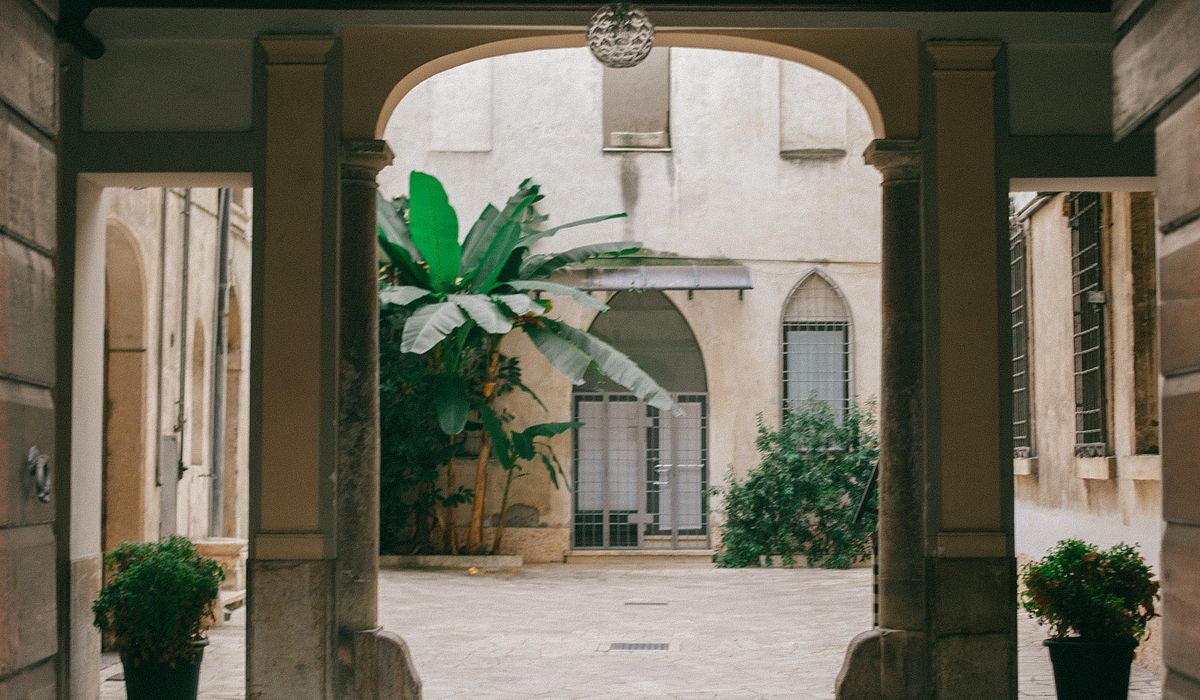
Granite setts, York stone flags and clay cobbles are the mews equivalent of a period floorboard. They also do real work: they drain, they bear the weight of vehicles, and they tie the property to its courtyard setting. Lifting and relaying is almost always preferable to replacing with resin-bound gravel or block paving.
If a section has sunk, the setts can be lifted, the sub-base re-compacted, and the stones reset on a sharp sand and cement bed, pointed with a dry sand-and-cement mix brushed into the joints. Salvaged setts are widely available if a few are missing — match by size and colour rather than by uniform perfection. Keep the camber and the slight unevenness; they are what stop a courtyard feeling like a car park.
Timber Beams, Brickwork and Roof Structures
Exposed ceiling beams are often the most loved feature of a mews conversion, and the most vulnerable. A beam that has been sandblasted loses its patina permanently, so avoid abrasive cleaning. Instead, dust and treat with a wax or oil finish that feeds the timber without darkening it further.
Where a beam has suffered from historic damp or insect attack, a structural engineer can specify sympathetic repairs: resin-bonded splices, steel flitch plates concealed within the timber, or new oak sections joined with traditional scarf joints. Brickwork deserves the same care. Repoint with lime mortar rather than cement, which traps moisture and eventually spalls the brick faces. Lime allows the wall to breathe the way it was designed to.
- Never sandblast beams or brick — it destroys the surface and the character with it.
- Use lime putty or natural hydraulic lime for repointing historic masonry.
- Retain original roof timbers and rafters even where a new covering is required.
- Record the structure photographically before any intervention, for your own reference and for consents.
Balancing Character with Modern Comfort
Preservation does not mean living in a museum. Mews houses are often listed or sit within conservation areas, so any alteration will need consents — but good design can accommodate insulation, underfloor heating and modern services without erasing the past.
Draught-proof stable doors with discreet brush seals rather than replacing them. Run services through new stud partitions rather than chasing original brick. Fit secondary glazing to historic windows, keeping the original frames and sashes intact. Where an opening must be widened, a slim steel frame finished in the same tone as the surrounding timber can read as part of the structure rather than an intrusion.
A Practical Approach to Repair
Start with a proper survey that distinguishes between what is failing and what merely looks tired. Much of what appears beyond saving is simply dirty, painted over, or badly repaired by a previous owner. Prioritise water ingress, structural movement and rot — everything else can follow.
Find tradespeople who have worked on historic buildings; a joiner who understands scarf joints and a plasterer who knows lime are worth waiting for. Keep a file of salvaged materials, from matching bricks to a spare set of hinges, because the best repairs are the ones that look like they were never made. A mews house rewards patience, and every original feature you save is one more reason the property feels like somewhere, rather than anywhere.
tag: Heritage

Harriet Bletchley Author
Victorian mews architecture features brickwork, arched openings, and modest proportions that reflect their working origins.
YOU MAY ALSO LIKE
Victorian Mews Architecture and Its Details
Aug 2
10Under-stair cupboards, wall niches, and multifunctional furniture help small mews homes stay tidy and organised.
read more
Maximising Storage in a Tiny Mews House
Jul 28
10Position mirrors opposite windows or artwork to bounce light around compact mews rooms and create a sense of depth.
read moreInteriors
-

ERRIC CATONA
A guest bedroom that doubles as a study or a dining area that converts to a workspace makes every square metre count.
May 19, 2016 at 5.12 pm
Reply
ERRIC CATONA
Walking through a mews neighbourhood reveals cobbled lanes, former stables, and hidden courtyards that cars often miss.
May 19, 2016 at 5.12 pm
Reply -
ERRIC CATONA
Residents in mews streets often share a strong community spirit, with neighbours looking out for one another and organising local events.
May 19, 2016 at 5.12 pm
Reply
Renovation
Your email address will not be published.