
A Guide to Renovating a Listed Mews House
What listing really covers
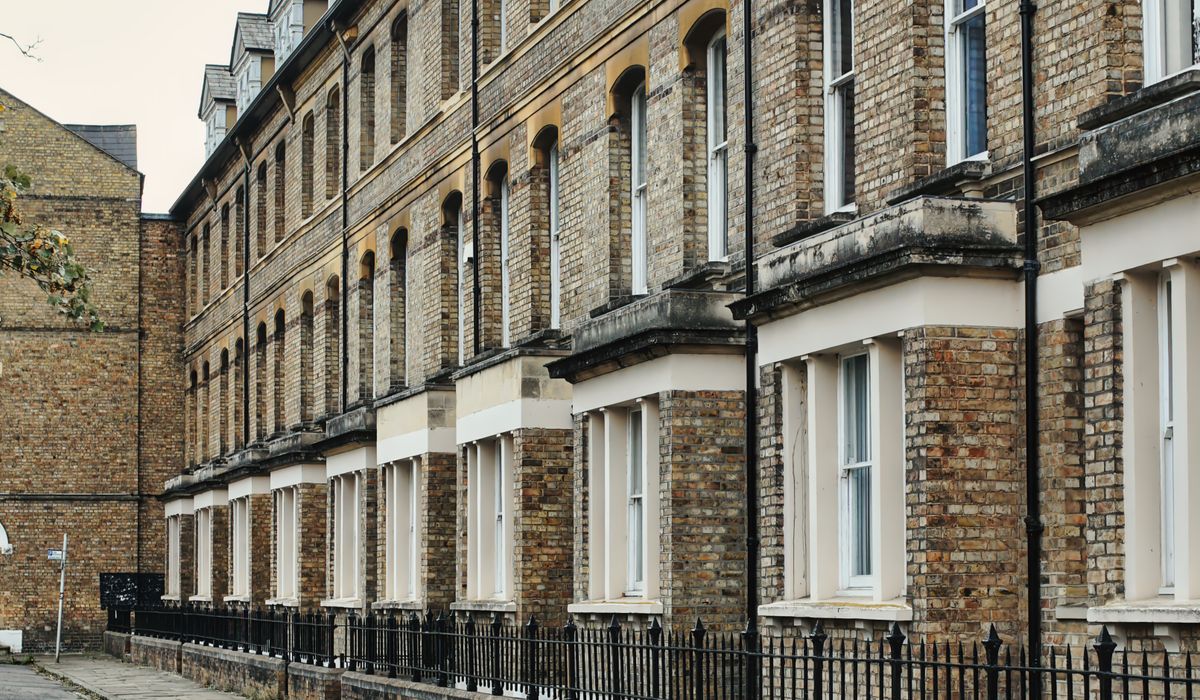
Most mews houses are listed at Grade II, though you will occasionally find a Grade II* former coach house or stabling range. The important point is that listing protects the whole building, inside and out, and usually extends to curtilage structures — boundary walls, corner posts, cobbled or granite sett surfaces, ironwork, and sometimes the terrace as a whole. In a mews this matters more than in a detached house, because your frontage is shared, your walls are shared, and your roofscape is read as part of a single composition.
Listed building consent is separate from planning permission. You will often need both, particularly if you are changing a garage into habitable accommodation, altering the roof, or introducing new openings. Internal works that affect historic fabric — removing a staircase, stripping out panelling, altering a historic plan — also need consent. Getting this wrong is expensive and occasionally criminal, so treat consent as the first item on the programme, not the last.
Talk to your conservation officer early
Before you commission drawings, ask for a pre-application conversation. Conservation officers are not the obstacle they are sometimes painted as; they are usually the fastest route to a scheme that will be approved. Take along photographs, a rough plan, and a clear statement of what you want to achieve and why.
- Prepare a short heritage statement setting out the significance of the building and the impact of your proposals.
- Draw up a schedule of works listing every intervention, room by room.
- Ask specifically which elements the authority considers most sensitive — it is often the roof, the front elevation, or surviving stable fittings.
- Expect to justify anything that removes historic fabric, even where it looks like a later addition.
Where possible, design so that new work is reversible. A well-argued, modest scheme nearly always wins over a dramatic one.
Materials and details that do the heavy lifting
Mews buildings were built as working structures, and they respond badly to modern materials used carelessly. The single most common mistake is repointing in cement. Cement mortar is harder than the brick or stone around it, traps moisture, and forces it out through the face of the wall. Use a lime mortar mixed to match the original in colour, texture and strength, and use breathable paints internally.
On windows, repair beats replacement almost every time. Original timber sashes can be overhauled, draught-proofed and, where appropriate, given discreet secondary glazing. If replacement is unavoidable, match the profile, glazing bars and reveals exactly. Roof coverings should match the existing slate or clay pantile, and cast iron rainwater goods should be repaired rather than swapped for plastic. Clean brickwork only with gentle, non-abrasive methods, and never sandblast a historic elevation.
Reworking the interior without losing the plan
The classic mews footprint is narrow and only one room deep, with a central staircase and living space pushed to the first floor. This arrangement is what gives mews houses their particular charm, so think carefully before rearranging it. Removing twentieth-century partitions is usually straightforward; removing original ones rarely is.
Light is the perennial challenge. Rooflights can transform a dark ground floor, but they need consent and should sit in a discreet plane. Where you cannot add glazing, consider a light well, a glazed internal screen, or simply lighter wall finishes and a warm, layered lighting scheme.
Insulation must be breathable. Rigid boards and foil-backed membranes can trap moisture in solid walls, so favour vapour-permeable options and avoid sealing historic surfaces. Underfloor heating can work in suspended timber floors, but the build-up needs careful design to avoid raising levels and clashing with door openings.
The practical realities of a mews project
- Party walls: the Party Wall etc. Act 1996 will almost certainly apply. Serve notices early and budget for a party wall award.
- Access: narrow lanes mean restricted deliveries, skips and scaffolding. Check what licences you need and warn neighbours in writing.
- Structure: carriage openings, long-span lintels and shallow roofs often need an engineer's eye before anything is moved.
- Damp: check ground levels, gullies, gutters and downpipes before assuming a wall needs tanking. Most mews damp is a drainage problem.
- Budget: hold a contingency of at least 15–20 per cent, and assume consent will take longer than you hope.
Living well in a renovated mews
Once the work is done, a simple maintenance rhythm keeps everything sound. Clear gutters twice a year, keep external ground levels below the damp course, and repaint joinery before water gets in. Keep a photographic record of all works, along with consents and specifications — it is invaluable if you sell, and it demonstrates a responsible approach to the building.
Small footprints reward clever storage: built-in joinery in alcoves, under-stair cupboards, and furniture scaled to the rooms rather than the showroom. Courtyards and roof terraces, where permitted, extend the living space in a way that suits the mews character perfectly. Renovated with care, a listed mews house gives you something rare — a genuinely urban home with real history, and a plan that still works two hundred years on.
tag: Renovation

James Ashworth Author
Roof lights, internal glazing, and light wells can transform dark mews interiors while respecting the original stable structure.
YOU MAY ALSO LIKE
How to Add Light to a Dark Mews Property
Sep 10
10Clear schedules, written contracts, and regular site meetings help keep your mews renovation on time and within budget.
read more
Managing Builders During a Mews Renovation
Sep 6
10Courtyard gardens suit mews homes with clever planting, built-in seating, and vertical greenery that softens brick walls.
read moreInteriors
-

ERRIC CATONA
Choose hardy shrubs, evergreen climbers, and drought-tolerant perennials to keep a compact mews garden looking good all year.
May 19, 2016 at 5.12 pm
Reply
ERRIC CATONA
Pleached trees, trellis screens, and tall planters can create privacy without making a small mews garden feel closed in.
May 19, 2016 at 5.12 pm
Reply -
ERRIC CATONA
Mews houses often sit in conservation areas, so check local rules before planning a rear or side extension.
May 19, 2016 at 5.12 pm
Reply
Renovation
Your email address will not be published.